first nations
20 items
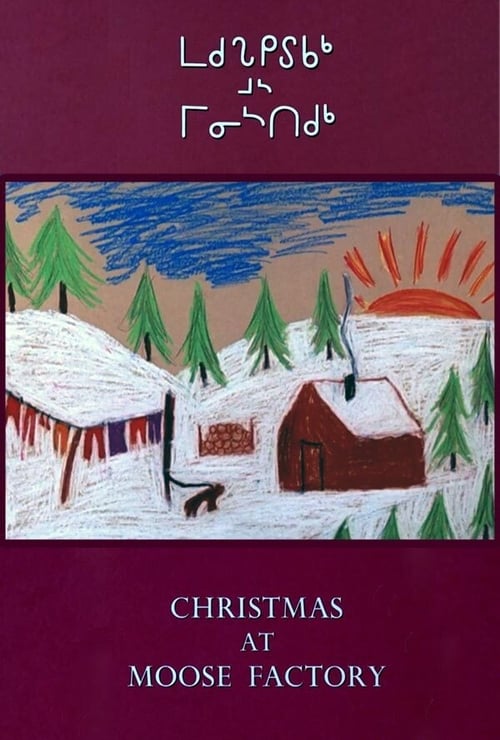
Christmas at Moose Factory
A study of life at Christmastime in Moose Factory, an old settlement mainly composed of Cree families on the shore of James Bay, composed entirely of children's crayon drawings and narrated by children.
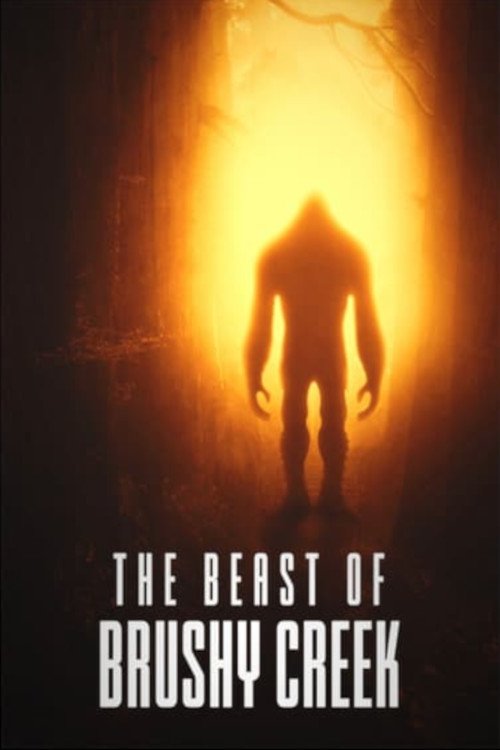
The Beast of Brushy Creek
This doc investigates the odd occurrences that have happened for decades at a creek in Texas, which was an Ancient Native American burial ground.

Concho, the Coyote Who Wasn't
A coyote adopted by an old Navajo, Delgado, thinks he is a sheepdog, though he is not accepted by the other dogs of the area.
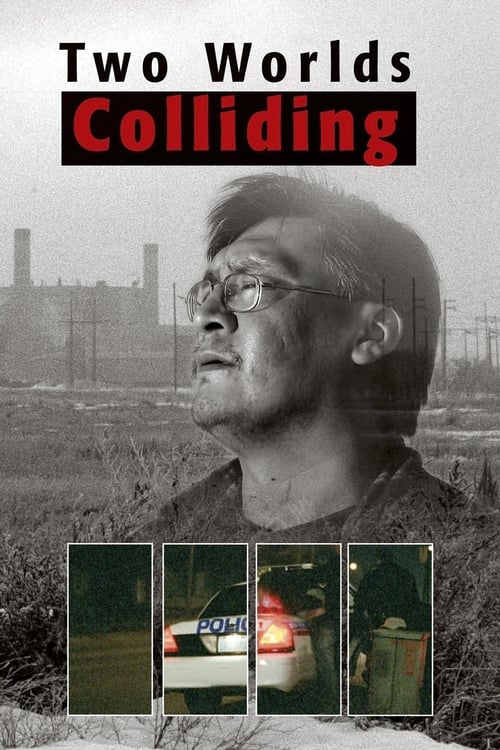
Two Worlds Colliding
This documentary chronicles the story of Darrell Night, an Indigenous man who was dumped by two police officers in a barren field on the outskirts of Saskatoon in January 2000, during -20° C temperatures. He survived, but he was stunned to hear that the frozen body of another Indigenous man was discovered in the same area.
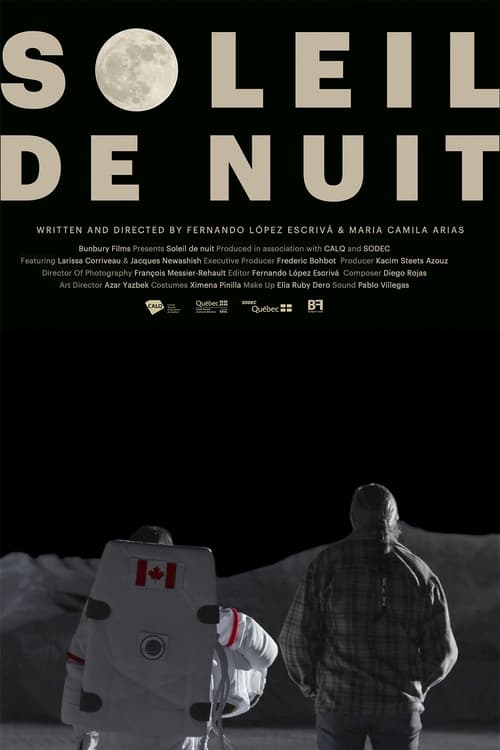
Soleil de nuit
During a training exercise in an abandoned open-pit mine, a crew of Canadian astronauts are interrupted by an Atikamekw elder, who asks them to deliver an important message to the spirit of his community on the moon.
Banduk
Banduk discovers that Mr Kool is smuggling birds out of Australia.
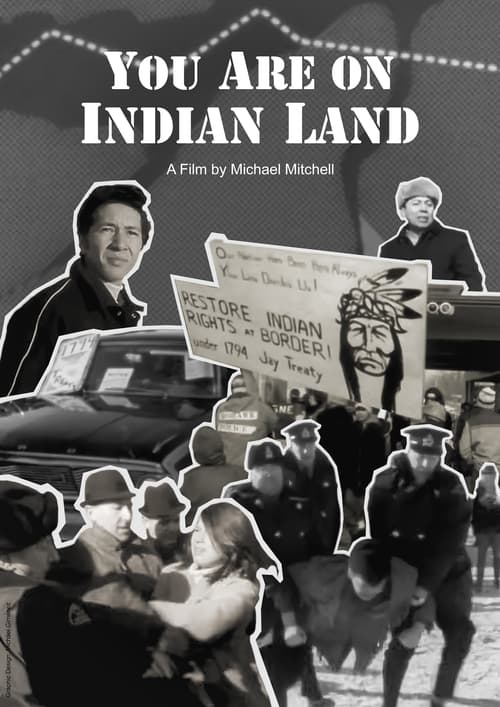
You Are on Indian Land
The territory of Akwesasne straddles the Canada-U.S. border. When Canadian authorities prohibited the duty-free cross-border passage of personal purchases - a right established by the Jay Treaty of 1794 - Kanien'kéhaka protesters blocked the international bridge between Ontario and New York State.

Haida Modern
In the 50 years since he carved his first totem pole, Robert Davidson has come to be regarded as one of the world’s foremost modern artists. Charles Wilkinson (Haida Gwaii: On the Edge of the World) brings his trademark inquisitiveness and craftsmanship to this revealing portrait of an unassuming living legend. Weaving together engaging interviews with the artist, his offspring, and a host of admirers, Haida Modern extols the sweeping impact of both Davidson’s artwork and the legions it’s inspired.
Journey to the Valley of the Emu
A First Nations boy in the Australian outback adopts an injured dingo. The two of them set off on a quest to find an emu.
Crepuscular
Transhuman beings waking up at dusk, reappearing as something else to prepare for the night

Broken Promises: The High Arctic Relocation
In 1953 the Canadian government relocated Inuit families from Northern Québec to the High Arctic, promising an abundance of game and fish and assuring them they could return home after two years if things didn't work out. They would not see their ancestral lands for 30 years. Abandoned in flimsy tents, the Inuit were left to fend for themselves in the desolate settlements of Resolute Bay and Grise Fiord, where the sea was nearly always frozen and darkness reigned for months on end.
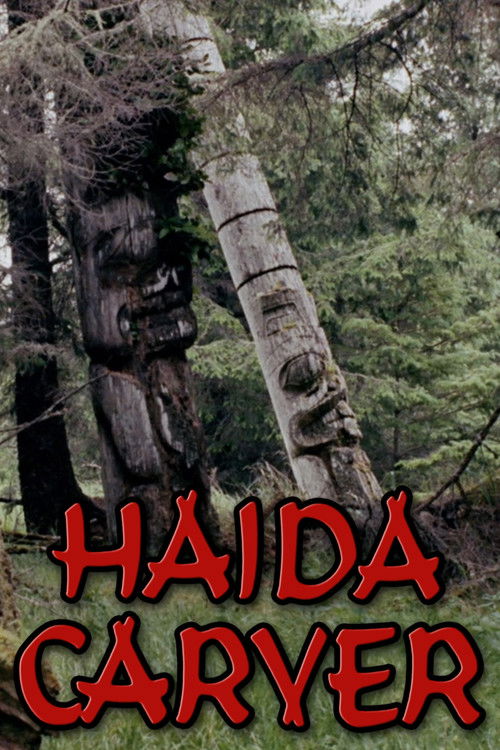
Haida Carver
On Canada's Pacific coast this film finds a young Haida artist, Robert Davidson, shaping miniature totems from argillite, a jet-like stone. The film follows the artist to the island where he finds the stone, and then shows how he carves it in the manner of his grandfather, who taught him the craft.
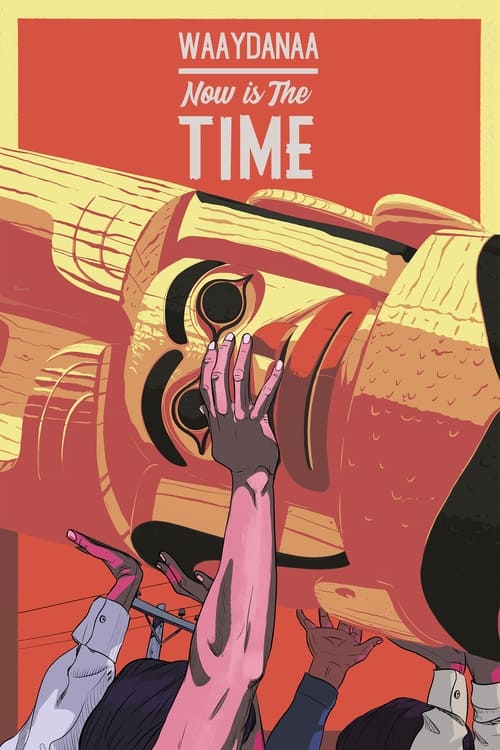
Now Is the Time
When internationally renowned Haida carver Robert Davidson was only 22 years old, he carved the first new totem pole on British Columbia’s Haida Gwaii in almost a century. On the 50th anniversary of the pole’s raising, Haida filmmaker Christopher Auchter steps easily through history to revisit that day in August 1969, when the entire village of Old Massett gathered to celebrate the event that would signal the rebirth of the Haida spirit.
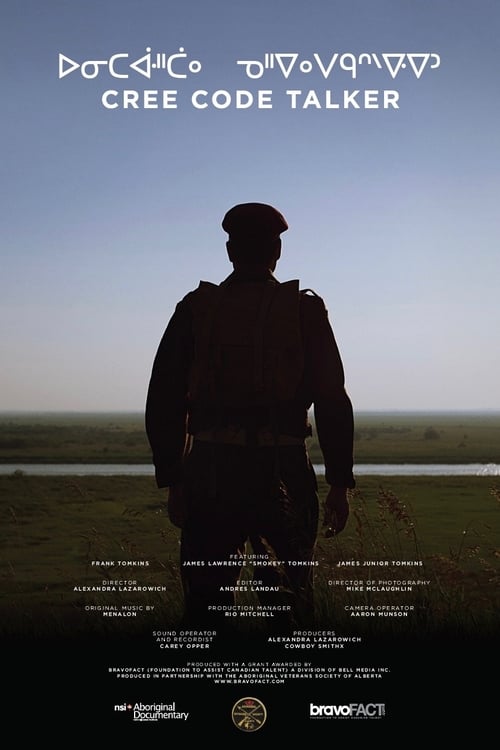
Cree Code Talker
ᐅᓂᑕᐚᐦᑖᐤ ᓀᐦᐁᐤᐯᑫᐢᐠᐍᐁᐣ
CREE CODE TALKER reveals the role of Canadian Cree code talker Charles 'Checker' Tomkins during the Second World War. Digging deep into the US archives it depicts the true story of Charles' involvement with the US Air Force and the development of the code talkers communication system, which was used to transmit crucial military communications, using the Cree language as a vital secret weapon in combat.
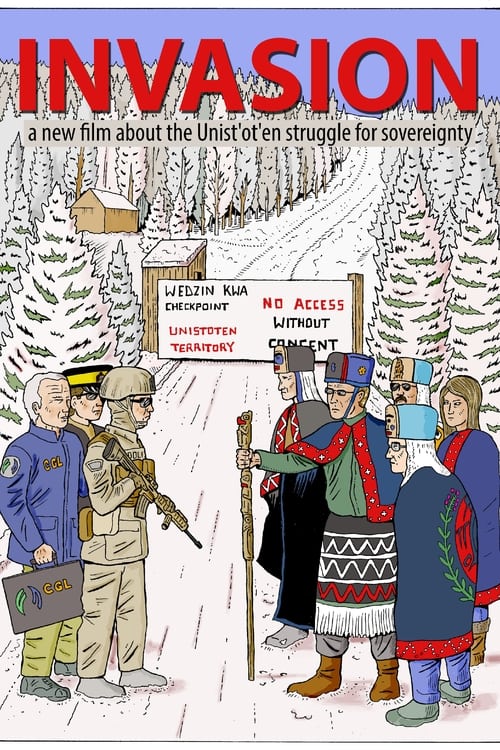
Invasion
In this era of “reconciliation”, Indigenous land is still being taken at gunpoint. Unist’ot’en Camp, Gidimt’en checkpoint and the larger Wet’suwet’en Nation are standing up to the Canadian government and corporations who continue colonial violence against Indigenous people. The Unist’ot’en Camp has been a beacon of resistance for nearly 10 years. It is a healing space for Indigenous people and settlers alike, and an active example of decolonization. The violence, environmental destruction, and disregard for human rights following TC Energy (formerly TransCanada) / Coastal GasLink’s interim injunction has been devastating to bear, but this fight is far from over.
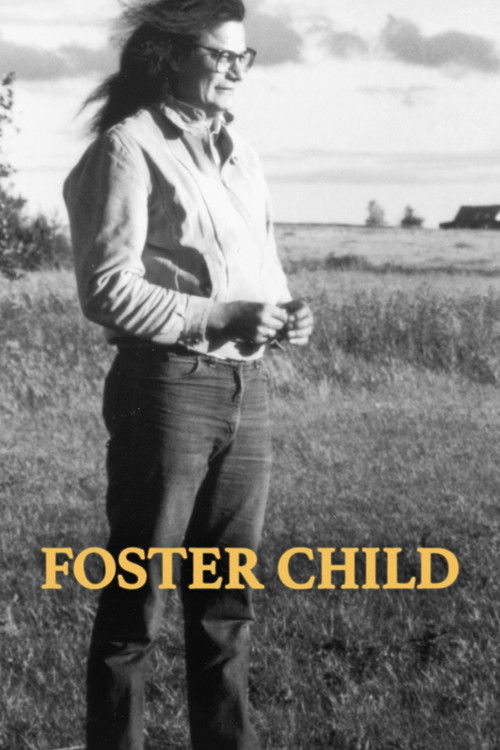
Foster Child
Gil Cardinal searches for his natural family and an understanding of the circumstances that led to his becoming a foster child. An important figure in the history of Canadian Indigenous filmmaking, Gil Cardinal was born to a Métis mother but raised by a non-Indigenous foster family, and with this auto-biographical documentary he charts his efforts to find his biological mother and to understand why he was removed from her. Considered a milestone in documentary cinema, it addressed the country’s internal colonialism in a profoundly personal manner, winning a Special Jury Prize at Banff and multiple international awards.
The Woman Who Raised a Bear as Her Son
The Inuit folktale of an old woman and the orphaned polar bear cub she took in as her own child.
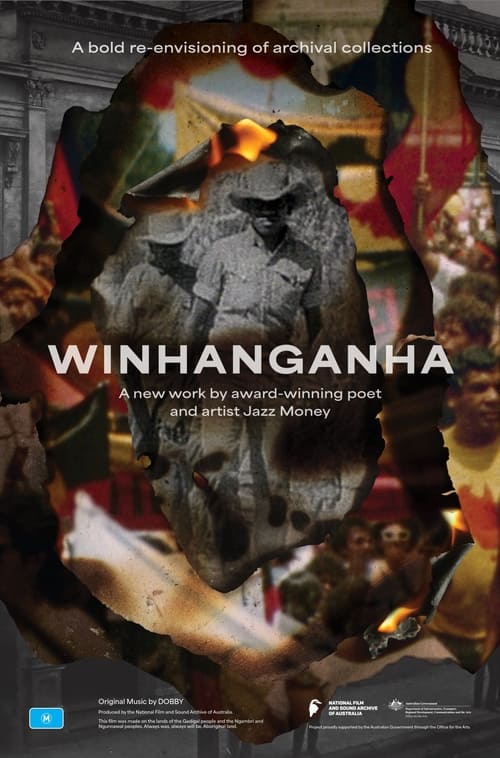
WINHANGANHA
WINHANGANHA (Wiradjuri language: Remember, know, think) - is a lyrical journey of archival footage and sound, poetry and original composition. It is an examination of how archives and the legacies of collection affect First Nations people and wider Australia, told through the lens of acclaimed Wiradjuri artist, Jazz Money.
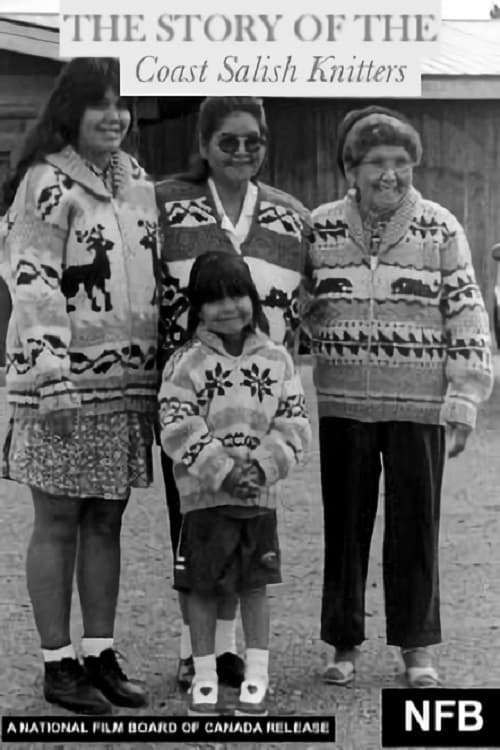
The Story of the Coast Salish Knitters
For almost a century, the Coast Salish knitters of southern Vancouver Island have produced Cowichan sweaters from handspun wool. These distinctive sweaters are known and loved around the world, but the Indigenous women who make them remain largely invisible.
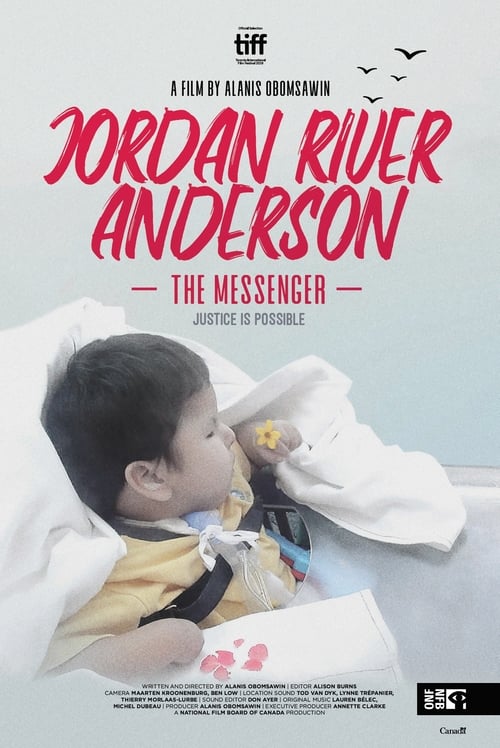
Jordan River Anderson, The Messenger
The story of a young boy forced to spend all five years of his short life in hospital while the federal and provincial governments argued over which was responsible for his care, as well as the long struggle of Indigenous activists to force the Canadian government to enforce “Jordan’s Principle” — the promise that no First Nations children would experience inequitable access to government-funded services again.